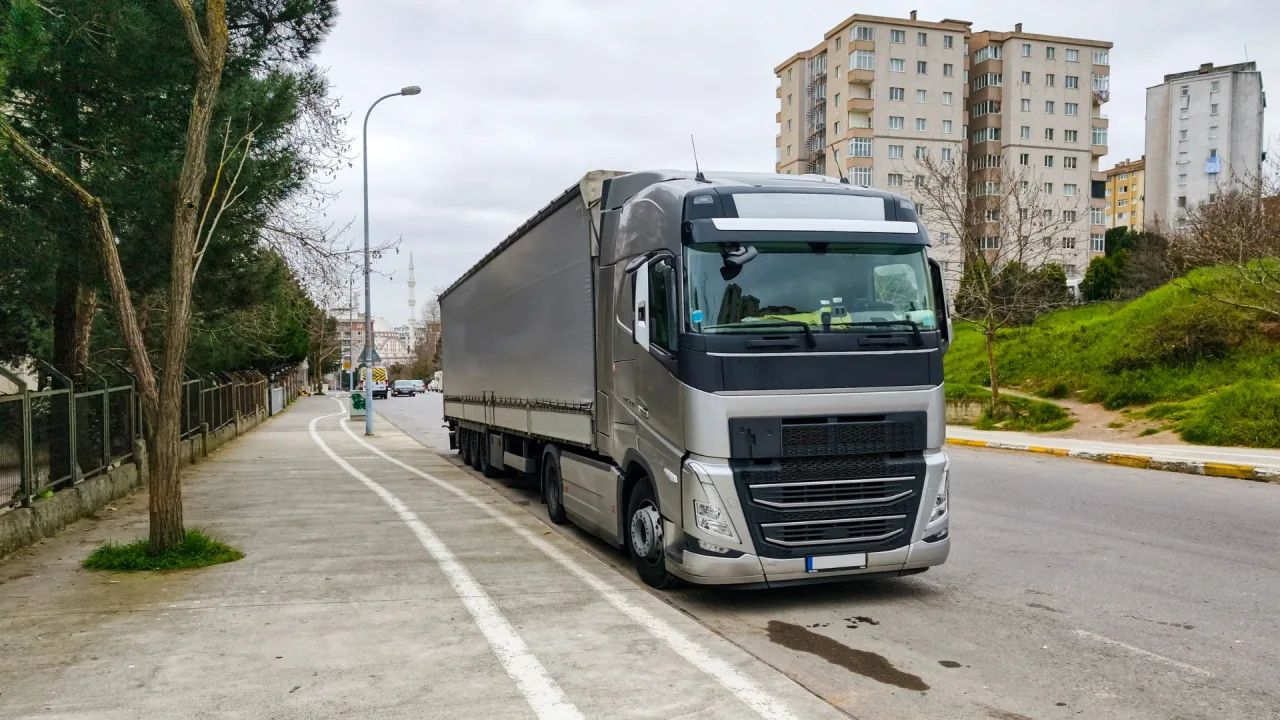

Box truck insurance doesn't have a single price. What you pay depends on truck size, whether you're a private carrier or for-hire, what you haul, your operating radius, and your claims history.
This article covers the typical cost ranges, the factors underwriters actually care about, and the coverage stack most box truck operators need. Use it to benchmark your current premium or budget for a new operation.
What Does Box Truck Insurance Typically Cost?
Most box truck operators pay between $250 and $950 per month for a full coverage stack. Annual costs for a single truck run $3,000 to $14,000 for established operators with clean records and straightforward operations.
New ventures, larger trucks, and major metro locations push costs higher. A 26-foot box truck operated for-hire in a dense urban market by a new authority can land well above those ranges in year one.
| Truck Size / Operation | Typical Monthly Range | Annual Estimate |
|---|---|---|
| 12–16 ft, private carrier, liability only | $200–$450 | $2,400–$5,400 |
| 12–16 ft, private carrier, full stack | $350–$700 | $4,200–$8,400 |
| 26 ft, for-hire, liability only | $300–$600 | $3,600–$7,200 |
| 26 ft, for-hire, full stack | $500–$950 | $6,000–$11,400 |
| New venture, 26 ft, major metro | $800–$1,500+ | $9,600–$18,000+ |
These are market ranges for budgeting. Your actual premium depends on your specific risk profile, operating state, and the carriers your broker markets to.
What Affects Your Box Truck Insurance Rate?
Underwriters don't pick a number arbitrarily. They price based on factors that predict claim frequency and severity. Here's what moves your rate.
| Factor | Lower Premium | Higher Premium |
|---|---|---|
| Truck size | Under 26,001 lbs GVWR | 26,001 lbs or above |
| Operation type | Private carrier | For-hire carrier |
| Operating radius | Local, under 50 miles | Regional or long-haul |
| Cargo type | General freight | High-value or specialized cargo |
| Driver record | Clean 3 or more years | Recent accidents or violations |
| Business history | 3 or more years operating | New venture |
| Location | Rural or low-density area | Major metro |
A few of these are worth unpacking.
Truck size and GVWR. The 26,001 lb gross vehicle weight rating threshold is significant. Above it, CDL requirements apply, underwriting appetite narrows, and fewer carriers will quote the risk. Most 16-foot and 20-foot box trucks fall below that line. A 26-foot truck often sits right at or above it depending on the build. Check the GVWR on the door jamb placard before you buy.
For-hire vs private carrier. If you're hauling freight for others, you carry more contractual and liability exposure than a business delivering its own products. Underwriters price this gap. For-hire operators also face broker and shipper minimum requirements that push coverage limits higher regardless of state law.
Driver record. A clean three-year record can reduce premiums by 10–30%. A recent at-fault accident typically adds 20–50%. Violations compound. If you're adding drivers to a policy, their records are factored individually.
Business history. New ventures pay more. Most underwriters want to see two to three years of operating history and loss runs before offering preferred rates. The Insurance Information Institute notes claims history is one of the most heavily weighted inputs in commercial auto underwriting.
What Coverage Does a Box Truck Need?
The right stack depends on how you operate. Private carriers and for-hire operators have different requirements.
Commercial auto liability. Legally required in every state for any commercially operated vehicle. Covers third-party bodily injury and property damage when the truck is in motion. State minimums vary. For-hire operators in interstate commerce are subject to FMCSA minimum liability requirements, which start at $750,000 for general freight in vehicles over 10,001 lbs. Most brokers and shippers require $1 million as a practical standard.
Physical damage. Covers your truck in a collision, theft, fire, or weather event. Not legally mandated but required by any lender financing the vehicle. Coverage extends to permanently attached equipment including liftgates, refrigeration units, and cargo handling systems.
Motor truck cargo. Covers the freight in your care, custody, and control. Not required by the state, but required by most brokers and shippers for for-hire operations. Match your cargo limit to your highest realistic load value. High-value goods, electronics, and temperature-sensitive freight attract stricter exclusions and sublimits. For more on how cargo insurance works for truck operators, see our full coverage breakdown.
General liability. Covers incidents that happen when the truck is parked and you're conducting business. A customer injured during a delivery, property damage during unloading, or a slip-and-fall at a drop-off point. This is separate from your commercial auto policy. Most for-hire operators and many private carriers need it.
Private Carrier vs For-Hire: How Your Stack Differs
Your operation type determines both what you're legally required to carry and what customers and brokers will demand before they work with you.
| Coverage | Private Carrier | For-Hire Carrier |
|---|---|---|
| Commercial auto liability | Required | Required, higher limits |
| Cargo insurance | Optional | Required by most brokers |
| General liability | Recommended | Recommended |
| Physical damage | Required if financed | Required if financed |
| FMCSA filing | Not typically required | Required for interstate operations |
For-hire operators hauling brokered freight typically need $1 million CSL auto liability, $100,000 cargo coverage, and often $1 million general liability as a baseline to get accepted into broker carrier packets. Operating below those limits means fewer loads and fewer broker relationships.
For a deeper look at what each coverage type actually covers, see our guide on commercial auto coverage.
How to Keep Box Truck Insurance Costs Down
Premiums are not fixed. Several factors you can control will move your rate at renewal.
- Keep driver records clean. Three years without accidents or violations is the threshold where most carriers offer meaningfully better rates.
- Install telematics and dash cams. Many carriers offer 5–15% discounts for GPS tracking and driver behavior monitoring. It also protects you in disputed liability claims.
- Increase deductibles strategically. A higher deductible on physical damage lowers your premium. Only do this if you can absorb the out-of-pocket cost on a claim.
- Bundle coverages. Placing auto, cargo, and general liability with one carrier typically costs less than buying each separately.
- Work with a specialist broker. Carrier appetite for box trucks varies significantly. The same operation can get quoted at very different rates depending on who markets it. A broker who works commercial trucking regularly knows which carriers are competitive for your specific profile.
Box truck insurance costs are driven by factors you can influence over time: driver record, business history, cargo type, and the broker you use to market your risk to the right carriers. For the full coverage program, see our box truck insurance page.